Category: Health Services

  • 10 Warning Signs You Need an Eye Exam Immediately

    10 Warning Signs You Need an Eye Exam Immediately

    Your eyes often give early warning signs when something is wrong, but many people ignore the symptoms until their vision noticeably worsens. A timely eye exam can detect vision problems, eye diseases, and even underlying health conditions before they become serious. Whether you need a routine eye exam, a comprehensive eye exam, or a same-day visit for sudden symptoms, recognizing the signs early can protect your long-term eye health.

    At Arizona’s Vision Eye Care Center, our experienced eye care specialists provide professional vision exams, advanced retinal imaging, and personalized treatment plans for patients of all ages. If you’ve noticed changes in your vision, discomfort, or recurring headaches, it may be time to schedule an immediate eye doctor appointment.

    1. Sudden Blurry Vision

    If your vision suddenly becomes blurry, don’t ignore it. A blurry vision test during a professional eye examination can help diagnose issues such as refractive errors, retinal problems, or even neurological conditions.

    A sudden change in clarity may indicate the need for:

    • A refraction test
    • A retina exam
    • A visual acuity test
    • A new prescription for glasses or contact lenses

    Many patients searching for an eye exam near me wait too long before seeking help. Immediate evaluation can prevent permanent vision complications.

    2. Frequent Headaches

    Recurring headaches are often linked to eye strain or uncorrected vision problems. If your eyes are working harder to focus, you may need a glasses eye exam or an updated prescription.

    A professional optometrist eye exam can identify:

    • Astigmatism
    • Nearsightedness
    • Farsightedness
    • Digital eye strain

    Patients often assume headaches are unrelated to vision when a simple optical exam could resolve the issue.

    3. Eye Pain or Pressure

    Eye pain should never be ignored. Pressure behind the eyes may signal serious conditions like glaucoma. A glaucoma screening combined with a tonometry eye test helps measure eye pressure and detect damage early.

    A comprehensive ocular health exam may also include:

    • Pupil dilation exam
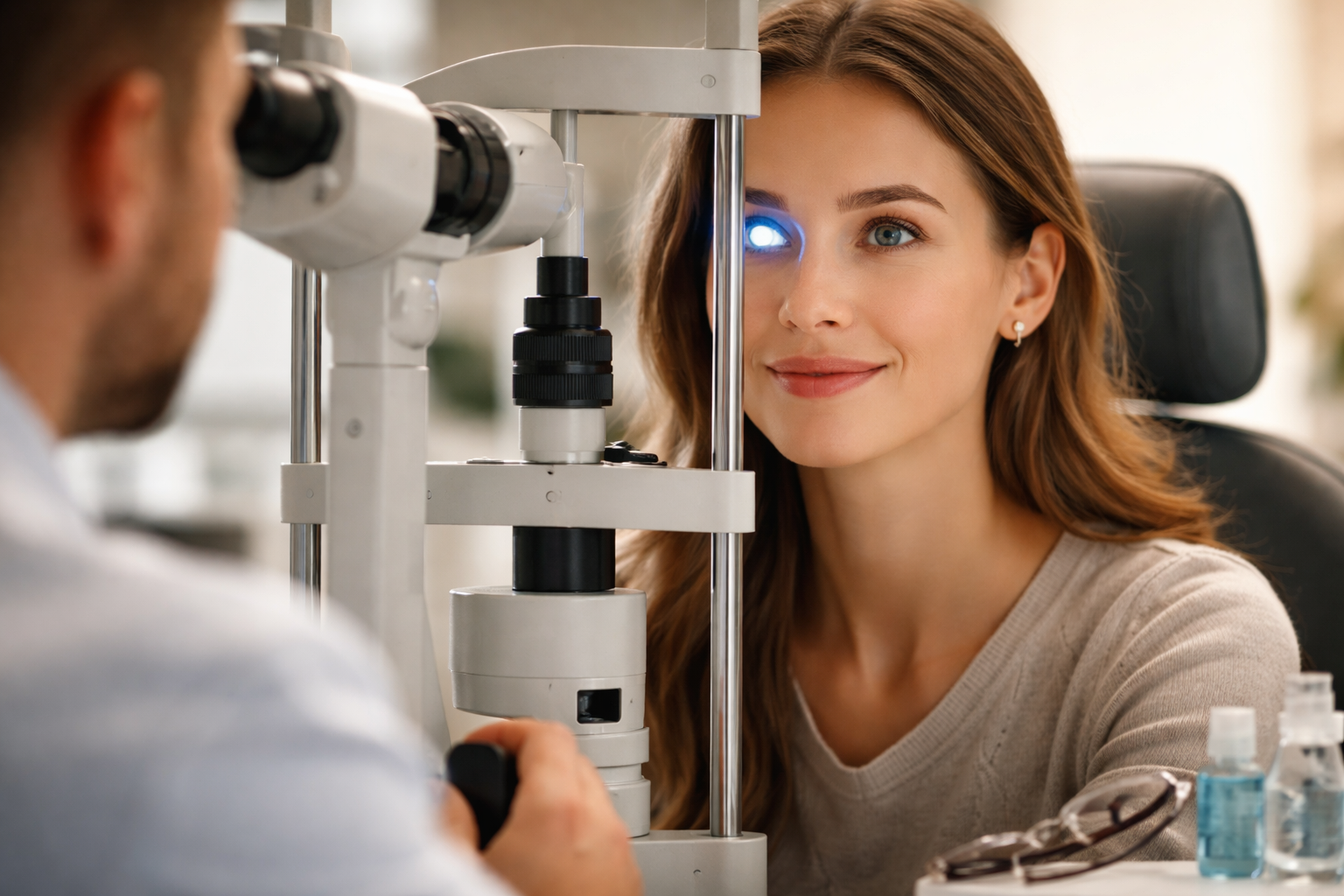
    • Slit lamp examination
    • Retinal evaluation

    If you experience severe discomfort, schedule a same day eye exam immediately.

    4. Flashes of Light or Floaters

    Sudden flashes or a dramatic increase in floaters may indicate retinal tears or detachment. A prompt retina exam and retinal imaging are essential to prevent vision loss.

    This symptom requires urgent attention from an experienced eye clinic or vision center.

    5. Difficulty Seeing at Night

    Struggling to drive or read in low light can point to cataracts, vitamin deficiencies, or refractive issues. A cataract screening and full vision test can determine the cause.

    Older adults should prioritize an eye exam for seniors annually, even if symptoms appear mild.

    6. Persistent Dry or Irritated Eyes

    Chronic dryness, burning, or redness may require a specialized dry eye exam. Dry eye syndrome can affect productivity, comfort, and long-term eye health.

    An experienced eye care specialist can evaluate:

    • Tear production
    • Eye surface health
    • Environmental triggers
    • Screen-related eye strain

    Many patients seek an affordable eye exam when symptoms persist because untreated dry eyes can worsen over time.

    7. Double Vision

    Double vision is never normal and may indicate neurological, muscular, or optical problems. A comprehensive eye exam can help determine the underlying issue quickly.

    Your provider may perform:

    • Eye alignment testing
    • Visual acuity tests
    • Neurological screening
    • Refraction analysis

    Immediate evaluation at a trusted optometry clinic is recommended.

    8. Redness or Swelling

    Persistent redness may result from infections, allergies, inflammation, or eye injuries. If symptoms don’t improve within 24–48 hours, schedule a walk-in eye exam or urgent eye doctor appointment.

    Ignoring redness can lead to complications involving the cornea or retina.

    9. Trouble Reading or Focusing

    Difficulty focusing on text, screens, or nearby objects often develops gradually. Many adults over 40 require reading correction due to presbyopia.

    A professional vision exam can determine whether you need:

    • Reading glasses
    • Contact lenses
    • Prescription updates
    • A contact lens fitting exam

    Patients searching for an eye exam and glasses same day often benefit from prompt testing and immediate corrective solutions.

    10. Diabetes or Chronic Health Conditions

    People with diabetes are at higher risk for retinal damage and vision loss. A yearly diabetic eye exam is essential for detecting early complications.

    Conditions commonly identified during an eye screening include:

    • Diabetic retinopathy
    • Glaucoma
    • Cataracts
    • Retinal bleeding

    Patients with chronic conditions should never skip their annual eye exam.

    What Happens During an Eye Exam?

    Many patients wonder, “What happens during an eye exam?” A professional eye examination typically includes several tests to evaluate both vision quality and eye health.

    Common procedures include:

    • Visual acuity test
    • Refraction test
    • Tonometry eye test
    • Pupil dilation exam
    • Slit lamp examination
    • Retinal imaging
    • Eye muscle evaluation

    At Arizona’s Vision Eye Care Center, every comprehensive eye exam is designed to detect issues early while ensuring your vision remains clear and healthy.

    How Often Should You Get an Eye Exam?

    The answer depends on your age, medical history, and risk factors.

    General Recommendations

    • Children: Annual eye exam for children
    • Adults 18–60: Every 1–2 years
    • Seniors 60+: Yearly eye checkup
    • Diabetic patients: Annual diabetic eye exam
    • Contact lens users: Regular contact lens exam

    If you’re experiencing symptoms, don’t wait for your next routine eye exam.

    Why Choose Arizona’s Vision Eye Care Center?

    Arizona’s Vision Eye Care Center provides trusted family eye care services for children, adults, and seniors. Whether you need a DMV eye exam, contact lens exam, or advanced ocular health exam, our team delivers compassionate, personalized care.

    Patients choose our clinic for:

    • Experienced eye doctors
    • Advanced diagnostic technology
    • Convenient scheduling
    • Eye exam with insurance assistance
    • Flexible appointments
    • Comprehensive vision solutions

    If you’re searching for the best eye exam service or a reliable eye doctor near me, our team is here to help.

    FAQs

    1. How often should you get an eye exam?

    Most adults should have a routine eye exam every 1–2 years, while seniors and diabetic patients should schedule annual visits.

    2. What happens during an eye exam?

    A complete eye examination includes vision testing, retinal evaluation, pressure testing, and overall eye health assessment.

    3. Can I get an eye exam without insurance?

    Yes. Many clinics offer an eye exam without insurance at affordable pricing options.

    4. Are walk-in eye exams available?

    Many providers offer walk-in eye exams and same day eye exams for urgent vision concerns.

    5. What is included in a contact lens exam?

    A contact lens exam includes prescription testing, lens fitting, and eye health evaluation.

    6. Is a diabetic eye exam different from a regular exam?

    Yes. A diabetic eye exam focuses heavily on retinal health and detecting diabetic-related eye damage.

    Conclusion

    Your vision is too important to ignore. Symptoms like blurry vision, headaches, floaters, dryness, or eye pain may indicate serious underlying issues that require immediate attention. Scheduling a professional eye exam can help detect problems early, preserve your eyesight, and improve your overall quality of life.At Arizona’s Vision Eye Care Center, our experienced team provides trusted, compassionate care through advanced vision exams, eye screenings, and personalized treatment plans. Whether you need a comprehensive eye exam near me, a DMV eye exam, or urgent same-day care, we’re here to help protect your vision for years to come.

  • Is LASIK Eye Surgery Safe? What You Need Before Surgery

    Is LASIK Eye Surgery Safe? What You Need Before Surgery

    LASIK eye surgery has become one of the most popular vision correction procedures in the world. Millions of people have chosen laser eye surgery to reduce or eliminate their dependence on glasses and contact lenses. But before deciding on the procedure, many patients ask the same important question: is LASIK eye surgery safe?

    Understanding the LASIK eye surgery procedure, potential risks, benefits, recovery timeline, and overall LASIK eye surgery success rate is essential before making an informed decision. With modern technology like wavefront LASIK, custom LASIK surgery, and bladeless LASIK, the procedure has become more precise and safer than ever.

    At Arizona’s Vision Eye Care Center, experienced LASIK eye specialists guide patients through every step from the initial LASIK eye surgery consultation to recovery—ensuring optimal results and patient safety.

    What Is LASIK Eye Surgery?

    LASIK eye surgery (Laser-Assisted In Situ Keratomileusis) is a laser eye surgery procedure that reshapes the cornea to correct refractive vision errors such as:

    • LASIK eye surgery for myopia (nearsightedness)
    • LASIK eye surgery for astigmatism
    • Hyperopia (farsightedness)

    A trained LASIK eye doctor uses advanced laser technology to modify the cornea so light focuses properly on the retina. The goal is clearer vision without glasses or contacts.

    Modern techniques like wavefront LASIK and custom LASIK surgery allow surgeons to personalize treatment for each patient’s eye structure.

    Is LASIK Eye Surgery Safe?

    A common concern among patients is “is LASIK eye surgery safe?”

    The short answer: Yes, LASIK is considered very safe when performed by an experienced LASIK eye specialist.

    LASIK has been performed for more than 25 years and has an extremely high success rate. Studies show the LASIK eye surgery success rate exceeds 96% patient satisfaction.

    Several factors contribute to LASIK safety:

    • Advanced bladeless LASIK technology
    • Detailed LASIK eye surgery consultation before treatment
    • Precise corneal mapping technology
    • Experienced best LASIK surgeons

    However, safety also depends on selecting the right LASIK treatment center and ensuring you are a suitable candidate.

    How the LASIK Eye Surgery Procedure Works

    The LASIK eye surgery procedure is quick and typically completed in about 10–15 minutes per eye.

    Step-by-Step LASIK Procedure

    1. Pre-Surgery Preparation
    Your LASIK eye specialist conducts detailed eye scans and measurements.

    2. Creating the Corneal Flap
    A femtosecond laser creates a thin corneal flap (used in bladeless LASIK).

    3. Cornea Reshaping
    A laser reshapes the cornea to correct refractive errors.

    4. Flap Repositioning
    The flap is placed back without stitches.

    Many patients describe the painless LASIK eye surgery procedure as slightly uncomfortable but not painful.

    LASIK Eye Surgery Benefits

    Choosing the best LASIK eye surgery option can provide several life-changing benefits.

    Key Benefits

    ✔ Reduced need for glasses or contacts
    ✔ Quick LASIK eye surgery recovery
    ✔ Long-lasting results
    ✔ Improved daily convenience
    ✔ High LASIK eye surgery success rate

    Many patients report dramatically improved vision within 24 hours after surgery.

    LASIK Eye Surgery Risks You Should Know

    While LASIK is safe, like any surgical procedure it has potential risks.

    Possible LASIK Eye Surgery Risks

    • Temporary dry eyes
    • Light sensitivity
    • Halos or glare at night
    • Vision fluctuations during LASIK eye surgery recovery

    These side effects are usually temporary and resolve during the healing period.

    A proper LASIK eye surgery consultation with an experienced LASIK eye doctor helps minimize these risks.

    Who Is a Candidate for LASIK?

    Many patients wonder who is a candidate for LASIK.

    You may qualify if you:

    • Are 18 years or older
    • Have stable vision for at least one year
    • Have healthy corneas
    • Have myopia, hyperopia, or astigmatism

    LASIK is particularly effective for LASIK eye surgery for myopia and LASIK eye surgery for astigmatism.

    Patients who are not ideal candidates may consider alternatives such as PRK eye surgery or SMILE eye surgery.

    LASIK Eye Surgery Recovery Timeline

    One of the major advantages of LASIK is the fast recovery time.

    LASIK Recovery Stages

    First 24 hours

    • Blurry vision initially
    • Vision improves quickly

    First week

    • Most patients resume normal activities

    1–3 months

    • Vision stabilizes fully

    Overall, the LASIK eye surgery recovery time is significantly shorter than many other eye procedures.

    LASIK Eye Surgery Cost Explained

    Many patients researching LASIK eye surgery near me ask about price.

    Average LASIK Eye Surgery Cost

    The cost of LASIK eye surgery varies depending on:

    • Technology used
    • Surgeon experience
    • Location of the laser eye surgery clinic

    Typical ranges:

    • $2,000 – $3,500 per eye

    Factors affecting price include:

    • Wavefront LASIK technology
    • Custom LASIK surgery
    • Surgeon expertise

    Many clinics also offer LASIK surgery financing, making affordable LASIK surgery accessible for more patients.

    Patients searching for LASIK surgery cost near me should prioritize quality and surgeon expertise rather than simply choosing cheap LASIK eye surgery.

    LASIK vs Other Laser Eye Surgery Options

    LASIK is not the only vision correction option.

    PRK Eye Surgery

    PRK eye surgery is similar but does not create a corneal flap. Recovery is slightly longer.

    SMILE Eye Surgery

    SMILE eye surgery is a newer laser eye surgery technique using a small corneal incision.

    Custom LASIK Surgery

    Custom LASIK surgery uses advanced eye mapping for personalized treatment.

    An experienced LASIK eye specialist can recommend the best option.

    Tips for Choosing the Best LASIK Eye Surgeon

    If you’re searching for the best LASIK eye surgery clinic near me, consider these factors:

    ✔ Board-certified LASIK eye doctor
    ✔ Advanced technology such as bladeless LASIK
    ✔ Transparent LASIK eye surgery price
    ✔ Strong patient reviews
    ✔ Comprehensive LASIK eye surgery consultation

    A reputable LASIK eye clinic focuses on patient safety, technology, and long-term results.

    Practical Tips Before Getting LASIK

    Here are expert tips to help you prepare for LASIK eye surgery:

    1. Schedule a professional LASIK eye surgery consultation early.
    2. Stop wearing contact lenses before your exam.
    3. Ask about LASIK surgery financing options.
    4. Choose an experienced best LASIK surgeon.
    5. Understand the LASIK eye surgery recovery time.
    6. Follow all pre- and post-surgery instructions.
    7. Compare technology offered by different LASIK treatment centers.

    Frequently Asked Questions

    Is LASIK eye surgery safe?

    Yes. LASIK is considered very safe when performed by a qualified LASIK eye specialist using modern laser technology.

    How long does LASIK surgery take?

    The actual LASIK eye surgery procedure usually takes 10–15 minutes per eye.

    Does LASIK hurt?

    Most patients report minimal discomfort. The painless LASIK eye surgery procedure uses numbing eye drops to ensure comfort.

    How long is LASIK recovery?

    Initial recovery occurs within 24–48 hours, while full LASIK eye surgery recovery can take several weeks.

    Can LASIK fix astigmatism?

    Yes. LASIK eye surgery for astigmatism is a common and highly successful treatment.

    What is the LASIK eye surgery cost for both eyes?

    The LASIK eye surgery cost for both eyes typically ranges between $4,000 and $7,000, depending on technology and surgeon experience.

    Conclusion

    For millions of patients worldwide, LASIK eye surgery has proven to be a safe and effective way to achieve clearer vision. With modern advancements like wavefront LASIK, custom LASIK surgery, and bladeless LASIK, the procedure is more precise than ever.

    Understanding the LASIK eye surgery benefits, possible LASIK eye surgery risks, recovery timeline, and LASIK eye surgery cost can help you make an informed decision.If you are searching for the best LASIK eye surgery clinic near me, the experienced team at Arizona’s Vision Eye Care Center provides advanced diagnostics, personalized treatment plans, and expert care to help patients achieve better vision safely.