Author: mdimdadulhaq10@gmail.com

  • Poland Virtual Card Guide for E-Commerce and Ads

    Poland Virtual Card Guide for E-Commerce and Ads

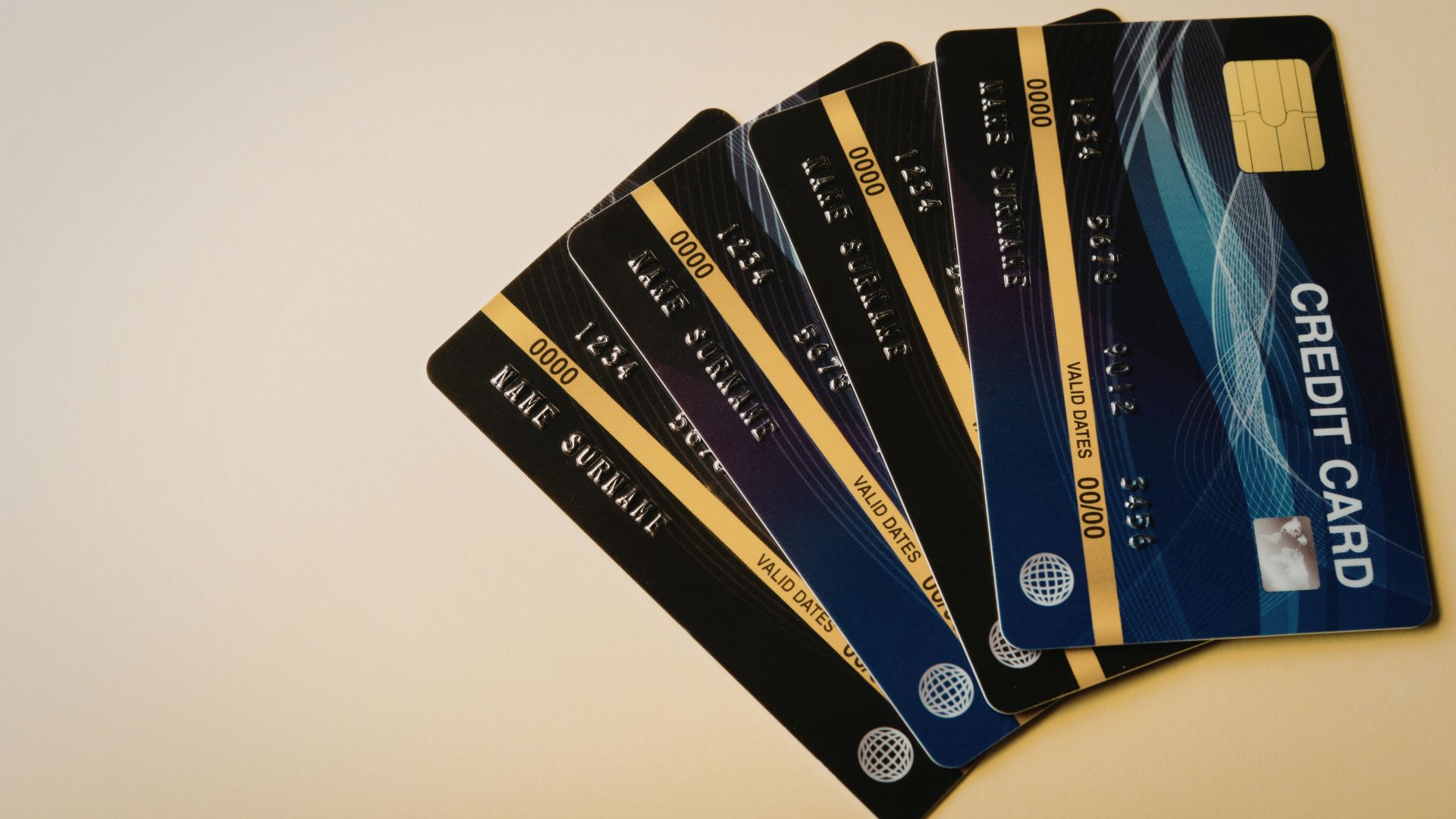
    Poland’s e-commerce sector increasingly adopts virtual cards to enhance transaction security and streamline payment processes. Virtual cards offer benefits such as improved fraud protection, faster checkouts, and better budget management for businesses. Local enterprises can easily set up and manage these cards while enjoying features like spending limits and real-time tracking. As the landscape evolves, understanding their implementation and emerging trends becomes crucial for success in online advertising and overall e-commerce strategies. Further insights await those interested.

    Why Virtual Cards Are Essential for E-Commerce in Poland

    In the rapidly evolving landscape of e-commerce in Poland, virtual cards have emerged as a vital tool for both consumers and merchants. These digital payment solutions offer enhanced security by minimizing the risk of fraud, as they generate unique card numbers for each transaction.

    Additionally, virtual cards facilitate faster checkout processes, streamlining the purchasing experience for consumers. Merchants benefit from reduced chargeback risks, leading to lower operational costs.

    Furthermore, the ability to set spending limits and expiration dates provides consumers with greater control over their finances. As online shopping continues to grow, the adoption of virtual cards in Poland is likely to increase, supporting a more secure and efficient e-commerce environment.

    Key Benefits for Local Businesses

    Although local businesses in Poland face numerous challenges, the adoption of virtual cards offers significant advantages that can enhance their operations.

    These cards provide enhanced security features, reducing the risk of fraud and unauthorized transactions, which is crucial in the online marketplace. Additionally, virtual cards facilitate streamlined financial management by allowing businesses to track spending in real-time, offering better budget control.

    Furthermore, the ability to generate multiple virtual cards for different vendors simplifies expense allocation. This flexibility can lead to improved supplier relationships and negotiation power.

    Lastly, virtual cards often come with lower transaction fees compared to traditional payment methods, enabling businesses to optimize their financial resources effectively.

    Why Merchants Are Starting to Prefer Virtual Card Payments

    The payment industry conversation typically focuses on benefits to consumers, but virtual cards offer significant advantages for merchants as well. Faster payment confirmation, reduced chargeback risks, and cleaner transaction records all contribute to a more efficient merchant experience. The growing adoption of the Vizovcc disposable card system means merchants receive guaranteed payments without the fraud risks associated with traditional card payments. As virtual cards become more mainstream, forward-thinking merchants are adapting their systems to accommodate and even encourage their use, recognizing the mutual benefits they bring to both sides of every transaction.

    Step-by-Step Guide to Setting Up Your Virtual Card for E-Commerce

    Setting up a virtual card for e-commerce can significantly enhance a business’s online transactions. The process involves several key steps to ensure security and efficiency.

    • Choose a reliable provider: Research various virtual card services that cater to e-commerce needs.
    • Create an account: Sign up with the selected provider, providing necessary business information.
    • Select card features: Determine desired features such as spending limits and expiration dates.
    • Generate the card: Once the account is set up, create the virtual card, which will be issued immediately.
    • Integrate with payment systems: Link the virtual card to the business’s payment processing systems for seamless transactions.

    Following these steps will facilitate a smooth transition to using virtual cards in e-commerce operations.

    How to Implement Virtual Cards in Your Business

    Implementing virtual cards in a business can streamline financial transactions while enhancing security. To begin, organizations should select a reputable payment processor that offers virtual card services.

    After establishing an account, businesses can generate virtual cards tailored for specific transactions or vendors, limiting exposure to fraud.

    Next, employees should be trained on how to use these cards effectively, emphasizing the importance of maintaining security protocols.

    Integration with existing accounting software is also essential to ensure real-time tracking of expenditures.

    Additionally, businesses should regularly review virtual card usage to optimize spending and identify any discrepancies.

    Effective Expense Management for Virtual Cards

    Effective expense management for virtual cards involves several key practices.

    Setting spending limits ensures that expenditures remain within budget, while tracking transaction history provides transparency and accountability.

    Additionally, analyzing monthly reports allows businesses to identify trends and optimize their spending strategies.

    Setting Spending Limits

    While managing expenses can be challenging, establishing spending limits for virtual cards serves as a proactive measure to ensure financial discipline. By setting these limits, users can effectively control their spending and allocate resources more efficiently.

    This practice not only helps in budgeting but also minimizes the risk of overspending.

    • Encourages mindful spending habits
    • Facilitates better cash flow management
    • Reduces risk of fraud and unauthorized transactions
    • Aids in project-based financing strategies
    • Enhances accountability within teams

    Incorporating spending limits allows businesses to maintain financial oversight, ensuring that expenditures align with strategic objectives.

    This approach is essential for maintaining sustainable growth in e-commerce and advertising sectors.

    Tracking Transaction History

    An essential aspect of managing virtual card expenses is the ability to track transaction history meticulously. Organizations utilizing virtual cards must implement robust systems for recording and monitoring all transactions.

    This practice not only facilitates accurate expense reporting but also aids in identifying any unauthorized or fraudulent activities. By maintaining detailed transaction records, businesses can ensure compliance with financial regulations and internal policies.

    Moreover, a comprehensive view of spending patterns allows for better budget forecasting and resource allocation. Utilizing dedicated financial software can streamline this process, offering real-time insights and alerts for unusual transactions.

    Analyzing Monthly Reports

    Analyzing monthly reports is crucial for organizations managing virtual card expenses. These reports provide insights that help in optimizing spending and ensuring compliance with financial policies.

    Regular examination of these reports allows businesses to identify trends, monitor budget adherence, and uncover potential fraud.

    Key aspects to consider include:

    • Total expenditure: Understand overall spending patterns.
    • Category analysis: Identify which categories incur the most costs.
    • Vendor performance: Evaluate the effectiveness and reliability of suppliers.
    • Budget versus actual: Assess deviations from budgeted amounts.
    • Fraud detection: Recognize unusual transactions that may indicate fraudulent activity.

    What You Need to Know About Virtual Card Security

    Virtual card security is paramount in safeguarding sensitive financial information.

    Key aspects include robust encryption and data protection protocols, comprehensive fraud prevention measures, and effective transaction monitoring practices.

    Understanding these elements is essential for ensuring secure and efficient use of virtual cards in Poland.

    Encryption and Data Protection

    Ensuring the security of virtual cards involves robust encryption and data protection measures. These protocols are essential for safeguarding sensitive information during online transactions.

    The following key components contribute to the effectiveness of virtual card security:

    • End-to-End Encryption: Protects data from the point of entry to the payment processor.
    • Tokenization: Replaces sensitive card details with unique identifiers to prevent exposure.
    • Secure Socket Layer (SSL): Provides a secure channel over the internet for data transmission.
    • Regular Security Audits: Ensures compliance with security standards and identifies vulnerabilities.
    • User Authentication: Implements strong verification processes to confirm user identity before transactions.

    These elements collectively enhance the reliability of virtual card systems, making them a secure option for e-commerce and advertising activities.

    Fraud Prevention Measures

    Fraud prevention measures are critical in maintaining the integrity of virtual card transactions. Various strategies can be employed to mitigate risks associated with online payments.

    One essential measure is the implementation of two-factor authentication, which adds an additional layer of security by requiring verification from multiple sources. Additionally, using dynamic card numbers can reduce the likelihood of unauthorized access, as these numbers change with each transaction.

    Regular updates to anti-virus and anti-malware software are also vital in protecting sensitive information. Educating users about phishing scams and secure browsing practices can further enhance security.

    Finally, collaborating with payment processors that specialize in fraud detection can provide valuable insights and tools necessary for safeguarding virtual card usage.

    Transaction Monitoring Practices

    Effective transaction monitoring practices are vital for maintaining the security of virtual card transactions. These practices help identify and mitigate potential fraud risks, ensuring both consumer safety and institutional integrity.

    A comprehensive approach includes the following elements:

    • Real-Time Monitoring: Implementing systems that track transactions as they occur to detect anomalies.
    • Threshold Alerts: Setting predefined limits that trigger alerts for unusually large or frequent transactions.
    • User Behavior Analysis: Analyzing typical spending patterns to identify deviations that may indicate fraud.
    • Geolocation Tracking: Monitoring transaction locations to flag activities occurring in high-risk areas or unusual regions.
    • Regular Audits: Conducting periodic assessments of transaction records to ensure compliance with security protocols.

    These strategies collectively enhance the resilience of virtual card systems against fraudulent activities.

    Enhancing Online Advertising Strategies With Virtual Cards

    Virtual cards have emerged as a transformative tool in the realm of online advertising, offering businesses enhanced security and flexibility in their financial transactions.

    By utilizing virtual cards, advertisers can streamline their payment processes, enabling precise budget management and effective allocation of resources across various campaigns. These digital payment methods facilitate real-time tracking and monitoring, allowing businesses to optimize their advertising strategies based on immediate feedback.

    Additionally, virtual cards reduce the risk of fraud, as they can be issued for single-use or specific transactions, safeguarding sensitive financial information.

    This innovative approach not only enhances operational efficiency but also empowers companies to adapt swiftly to market changes, ultimately driving better performance in their online advertising efforts.

    Overcoming Common Challenges With Virtual Cards

    While virtual cards offer significant advantages in online advertising, they also present challenges that businesses must navigate. Understanding these obstacles is crucial for effective implementation and management.

    • Limited Acceptance: Not all platforms accept virtual cards, which may restrict purchasing options.
    • Transaction Fees: Some providers impose fees that can accumulate, affecting profit margins.
    • Fraud Risks: Virtual cards can be targets for cybercriminals, requiring robust security measures.
    • Expiration Issues: Many virtual cards have short validity periods, complicating long-term campaigns.
    • Integration Challenges: Businesses may face difficulties integrating virtual cards with existing payment systems.

    Addressing these challenges can enhance the effectiveness of virtual cards in e-commerce and advertising strategies.

    Emerging Trends for Virtual Cards in Poland’s E-Commerce Landscape

    As the e-commerce sector in Poland continues to evolve, several emerging trends related to virtual cards are becoming increasingly prominent.

    Firstly, an increased adoption of virtual cards among consumers is evident, driven by heightened awareness of online security and fraud prevention.

    Additionally, businesses are integrating virtual card solutions into their payment systems to streamline transactions and enhance customer experience.

    The rise of mobile payment apps is also influencing virtual card usage, as users seek more flexible payment options.

    Furthermore, partnerships between financial institutions and e-commerce platforms are facilitating the seamless issuance of virtual cards.

    Finally, regulatory changes are fostering innovation in this space, encouraging more companies to explore virtual card offerings as a viable payment method in Poland’s digital marketplace.

    FAQs About Virtual Cards in E-Commerce

    The discussion on virtual cards in e-commerce encompasses several critical aspects, including their benefits, security measures, and usage limitations.

    Understanding these elements is essential for consumers seeking to optimize their online transactions.

    This section addresses frequently asked questions to clarify the role and functionality of virtual cards in the digital marketplace.

    Benefits Of Virtual Cards

    Numerous benefits accompany the use of virtual cards in e-commerce, making them an appealing option for consumers and businesses alike.

    These digital payment methods enhance the online shopping experience through various advantages:

    • Convenience: Quick setup and easy integration with online platforms.
    • Cost-effectiveness: Reduced transaction fees compared to traditional payment methods.
    • Limitations: Ability to set spending limits for better budget management.
    • Anonymity: Enhanced privacy by masking personal information during transactions.
    • Flexibility: Suitable for one-time or recurring payments without the need for physical cards.

    These benefits position virtual cards as a strategic choice for enhancing efficiency and security in e-commerce transactions.

    Security Measures Explained

    Virtual cards offer a range of robust security measures that address common concerns in e-commerce transactions. They generate unique card numbers for each transaction, reducing the risk of fraud associated with traditional cards. This one-time-use feature ensures that even if the card details are compromised, the exposure is limited.

    Additionally, many virtual cards employ encryption technology, safeguarding sensitive information during online transactions. Users can set spending limits and expiration dates, further enhancing control over expenditures.

    Furthermore, virtual cards often provide instant notifications for transactions, allowing users to monitor activity in real time. These features collectively contribute to a secure online shopping environment, instilling confidence in users and protecting their financial information from potential threats.

    Usage Limitations Overview

    Many users encounter specific limitations when utilizing virtual cards in e-commerce transactions. Understanding these constraints is crucial for effective financial management.

    • Merchant Acceptance: Not all online retailers accept virtual cards.
    • Transaction Limits: Virtual cards may have spending caps, restricting high-value purchases.
    • Expiration Dates: Many virtual cards have shorter lifespans, necessitating timely use.
    • Geographic Restrictions: Some cards are restricted to domestic transactions only, limiting international purchases.
    • Refund Challenges: Processing refunds to virtual cards can be complex, often requiring additional steps.

    Awareness of these limitations can help users navigate potential issues and optimize their e-commerce experience effectively.

    Frequently Asked Questions

    Can Virtual Cards Be Used for International Transactions?

    Virtual cards can indeed be used for international transactions. They offer enhanced security and privacy, allowing users to make purchases across borders while minimizing the risk of fraud associated with traditional payment methods.

    Are There Fees Associated With Using Virtual Cards?

    Many virtual card users encounter varying fees, such as transaction or conversion charges. For instance, a business using a virtual card for overseas purchases might face a 2% foreign transaction fee, impacting overall costs significantly.

    How Do I Track Expenses With Virtual Cards?

    To track expenses with virtual cards, individuals can utilize budgeting software or apps that integrate with their banking systems. Regularly reviewing transaction histories and categorizing expenses also enhances financial oversight and management.

    What Should I Do if My Virtual Card Is Compromised?

    If a virtual card is compromised, the user should immediately report the incident to the card issuer, monitor account activity for unauthorized transactions, and consider replacing the card to prevent further misuse.

    Can I Use Virtual Cards for Subscription Services?

    Yes, virtual cards can be used for subscription services. They offer a secure payment method, allowing users to manage transactions while protecting their financial information. However, terms may vary by service provider, necessitating verification.

    Conclusion

    In the rapidly evolving e-commerce landscape of Poland, virtual cards emerge as the unsung heroes of financial management. Ironically, while they aim to simplify transactions, they also expose businesses to complexities that require careful navigation. As local enterprises embrace this innovative tool, they may find themselves entangled in a web of expenses and strategies. Ultimately, the promise of efficiency might just lead to a new kind of chaos, challenging the very notion of convenience in online commerce.


  • Craft King Bangladesh Services – Craft Solutions Online

    Craft King Bangladesh Services – Craft Solutions Online

    Overview of Craft King BD Company

    Craft King is a digital craft company in Bangladesh that provides handmade products, DIY materials, and creative supplies through an online platform. The system is structured for product browsing, ordering, and nationwide delivery.

    Craft King BD Company operates as a centralized service for educational, decorative, and commercial craft requirements. It organizes products into defined categories with measurable specifications and availability tracking.

    Craft King functions as a digital marketplace that connects users with a wide range of craft materials in one platform.

    Product Categories and Material Details

    Craft King includes structured product categories such as paper crafts, resin kits, painting tools, adhesives, and decorative materials.

    Paper craft products are defined by GSM levels such as 120 GSM, 160 GSM, and 250 GSM. Resin kits include curing times between 12 and 48 hours depending on formulation. Paint products include acrylic and water-based types with volume measured in milliliters.

    Craft King provides measurable attributes such as size in centimeters, weight in grams, color variations, and pack quantities. These technical details support accurate product selection.

    Craft King organizes all products into structured categories for easier navigation and comparison.

    Digital Platform and System Access

    Craft King BD Company operates through a web-based platform accessible on mobile phones, tablets, and desktop devices.

    The system provides 24-hour access to product listings. Users can search, filter, and compare items based on defined specifications.

    Craft King includes cart management, automated invoice generation, and order confirmation systems. Each order follows a structured digital workflow from selection to delivery.

    Craft King enables users to complete purchases without visiting physical stores.

    Order Processing and Delivery System

    Craft King processes orders through a centralized fulfillment system. Each order is verified before packaging and shipment.

    Delivery coverage includes urban and rural regions of Bangladesh. Courier services handle transportation and last-mile delivery.

    Standard delivery time ranges from 2 to 5 working days. In metropolitan areas, delivery may be completed within 48 hours depending on logistics conditions.

    Tracking systems are available for most shipments to monitor delivery status.

    Payment Methods and Transaction Security

    Craft King supports multiple payment methods including cash on delivery and digital payment gateways.

    All transactions are processed through secure systems. Order confirmation is generated after successful verification or payment approval.

    Craft King maintains structured digital records for each transaction to support order tracking and service management.

    Customer Segments and Application Areas

    Craft King serves multiple user groups including students, teachers, artisans, and small business operators.

    Students use Craft King materials for academic projects. Teachers use craft supplies for classroom activities. Small businesses use materials for handmade product production and resale.

    Craft King also supports seasonal demand during festivals and cultural events where craft products are widely used.

    Inventory Management and Product Availability

    Craft King maintains a structured inventory system. Product availability is updated based on supplier stock levels and demand data.

    Items are categorized by material type, usage frequency, and supply stability. This structure ensures consistent availability of essential craft materials.

    Craft King updates product listings regularly to reflect stock changes and pricing adjustments.

    FAQ

    What is Craft King BD Company

    Craft King is a digital craft company in Bangladesh that provides handmade products, DIY materials, and creative supplies through its online platform.

    What products are available

    It includes paper crafts, resin kits, painting tools, adhesives, and decorative items.

    What is the delivery time

    Delivery usually takes 2 to 5 working days depending on location.

    What payment methods are supported

    Craft King supports cash on delivery and digital payment options.

    Conclusion

    Craft King BD Company operates as a structured digital platform for craft products in Bangladesh. Craft King provides categorized materials, measurable specifications, and a complete online ordering system. The platform supports nationwide delivery, secure transactions, and organized inventory control. Craft King continues to serve educational users, creative professionals, and small businesses through consistent access to craft supplies and reliable service delivery.

  • Best Hospital in Bangladesh for Safe Medical Care

    Best Hospital in Bangladesh for Safe Medical Care

    Safe medical care focuses on patient protection, infection control, accurate diagnosis, and monitored treatment. Hospitals that follow strict safety protocols and international healthcare standards are considered the Best Hospital in Bangladesh. These hospitals use structured systems to reduce risk and improve treatment outcomes.


    Importance of Safe Medical Care

    Safe medical care ensures that patients receive treatment with minimal risk of complications.

    Key safety components include:

    • Infection control protocols
    • Sterilization of surgical instruments
    • Patient identity verification systems
    • Controlled medication administration
    • Continuous patient monitoring

    Hospitals such as Evercare Hospital Dhaka follow strict safety standards. This supports their position as a Best Hospital in Bangladesh.


    Leading Hospitals for Safe Medical Care

    Square Hospitals Ltd.

    This hospital maintains strong infection control systems and patient safety protocols. It provides advanced surgical care with strict monitoring. It is widely recognized as a Best Hospital in Bangladesh.

    United Hospital Limited

    This hospital uses modern safety systems in its ICU and emergency units. It ensures patient safety through advanced monitoring tools. It is considered a Best Hospital in Bangladesh.

    Evercare Hospital Dhaka

    This hospital follows international patient safety standards. It uses electronic health records and strict hygiene protocols. It is recognized as a Best Hospital in Bangladesh.

    Bangladesh Specialized Hospital

    This hospital provides safe and structured treatment systems. It focuses on infection control and patient monitoring. It is a Best Hospital in Bangladesh.


    Infection Control and Hygiene Standards

    Infection control is a major part of safe medical care.

    Hospitals follow:

    • Use of sterilized surgical tools
    • Regular cleaning and disinfection of facilities
    • Hand hygiene protocols for staff
    • Use of personal protective equipment (PPE)
    • Isolation wards for infectious diseases

    Hospitals like Square Hospitals Ltd. apply these standards, supporting their status as a Best Hospital in Bangladesh.


    Patient Safety Systems

    Patient safety systems help reduce medical errors.

    These include:

    • Electronic medical records (EMR)
    • Barcode medication systems
    • Patient identification bands
    • Double-check systems for procedures
    • Real-time monitoring in ICU

    Hospitals such as United Hospital Limited use these systems, making them a Best Hospital in Bangladesh.


    Emergency and Critical Care Safety

    Safe hospitals provide well-equipped emergency services.

    Features include:

    • 24/7 emergency departments
    • Advanced ICU and CCU units
    • Life-support equipment
    • Trained emergency medical teams
    • Rapid response systems

    Hospitals like Evercare Hospital Dhaka offer these services, reinforcing their role as a Best Hospital in Bangladesh.


    Surgical Safety and Monitoring

    Safe surgical care reduces risks during operations.

    Key practices include:

    • Pre-surgery patient evaluation
    • Use of sterile operation theaters
    • Anesthesia monitoring systems
    • Post-surgery recovery monitoring
    • Infection prevention measures

    Hospitals such as Bangladesh Specialized Hospital apply these practices, making them a Best Hospital in Bangladesh.


    Role of Trained Medical Teams

    Safe care depends on experienced healthcare professionals.

    Medical teams include:

    • Specialist doctors
    • Surgeons
    • Nurses
    • Anesthesia experts
    • Medical technicians

    Hospitals like United Hospital Limited maintain skilled teams, supporting their recognition as a Best Hospital in Bangladesh.


    FAQs

    What is the Best Hospital in Bangladesh for safe medical care?

    Hospitals such as Evercare Hospital Dhaka and Square Hospitals Ltd. are considered the Best Hospital in Bangladesh for safe medical care.

    What makes hospital care safe?

    Safe care includes infection control, proper diagnosis, and continuous monitoring. Hospitals like United Hospital Limited follow these systems.

    Do hospitals in Bangladesh follow safety standards?

    Yes, hospitals such as Bangladesh Specialized Hospital follow strict safety standards, making them a Best Hospital in Bangladesh.

    Are emergency services safe in top hospitals?

    Yes, hospitals like Evercare Hospital Dhaka provide safe emergency and ICU services, supporting their position as a Best Hospital in Bangladesh.


    Conclusion

    Safe medical care depends on strict protocols, skilled professionals, and advanced systems. Hospitals such as Evercare Hospital Dhaka, Square Hospitals Ltd., and United Hospital Limited are recognized as the Best Hospital in Bangladesh. These hospitals ensure patient safety through infection control, monitoring systems, and expert medical care.

  • Find Nearby Doctors in Bangladesh with Contact Details

    Find Nearby Doctors in Bangladesh with Contact Details

    Access to healthcare in Bangladesh has improved with both offline and online systems. Patients can now find nearby doctors with contact details through hospital directories, mobile apps, and online platforms. These systems help connect patients with qualified professionals and the Best doctor in Bangladesh based on location and specialization.

    Healthcare Network and Doctor Availability

    Doctors in Bangladesh work in public hospitals, private hospitals, and independent clinics. Major healthcare centers are located in cities such as Dhaka, Chittagong, and Khulna.

    Public hospitals provide affordable treatment. Private hospitals offer faster service and advanced facilities. Both sectors include general physicians and specialists in fields like cardiology, dermatology, pediatrics, and neurology.

    Patients searching for the Best doctor in Bangladesh can find options across different hospitals depending on their medical needs.

    How to Find Nearby Doctors

    Patients can locate doctors using several methods. Hospital websites list doctors with contact details, qualifications, and schedules. Many hospitals also provide appointment numbers and email addresses.

    Mobile applications and online platforms allow users to search doctors by location, specialty, and experience. These platforms display verified profiles that include consultation fees and available time slots.

    This system helps patients quickly connect with the Best doctor in Bangladesh without visiting hospitals physically.

    Importance of Contact Details

    Accurate contact details are essential for booking appointments and emergency communication. Most doctors provide phone numbers, hospital extensions, or online booking links.

    Some clinics offer WhatsApp or online chat support for patient communication. This improves accessibility and reduces waiting time.

    Having verified contact information helps patients reach the Best doctor in Bangladesh for timely medical advice.

    Hospital and Clinic Information

    Hospitals in Bangladesh maintain directories of doctors along with their departments and schedules. Large hospitals include multi-specialty services, diagnostic centers, and emergency care units.

    Private clinics provide personalized care and shorter waiting times. Many clinics are located in residential areas, making it easier to find nearby healthcare services.

    These facilities support patients in locating the Best doctor in Bangladesh based on proximity and specialization.

    Online Platforms for Doctor Search

    Several digital platforms list doctors in Bangladesh. These platforms allow users to filter by location, specialty, and availability.

    Users can view doctor profiles, read service details, and check appointment schedules. Online booking systems allow patients to confirm appointments instantly.

    This digital system helps users identify the Best doctor in Bangladesh efficiently and reduces the need for physical visits.

    Cost and Consultation Details

    Consultation fees in Bangladesh vary based on doctor experience and hospital type. Fees typically range from 500 to 3000 BDT.

    Diagnostic tests and follow up visits may increase total costs. Private hospitals usually charge higher fees compared to public hospitals due to advanced services.

    Understanding cost and contact details helps patients select the Best doctor in Bangladesh within their budget.

    FAQ

    How can I find a doctor near me in Bangladesh
    You can use hospital websites, mobile apps, or online directories to search by location and specialty.

    Do doctors in Bangladesh provide contact numbers
    Yes, most doctors provide phone numbers or hospital contact details for appointments.

    Can I book doctor appointments online
    Yes, many hospitals and platforms offer online booking systems.

    What is the average consultation fee
    Consultation fees usually range from 500 to 3000 BDT depending on the doctor and hospital.

    Are contact details available for all doctors
    Most registered doctors provide contact details through hospitals or online platforms.

    Conclusion

    Healthcare access in Bangladesh is supported by a growing network of hospitals, clinics, and digital platforms. Patients can easily find nearby doctors with verified contact details through online and offline systems.

    By reviewing location, specialization, and contact information, patients can connect with the Best doctor in Bangladesh for their medical needs. Access to accurate contact details ensures timely consultation and better healthcare outcomes. Choosing the Best doctor in Bangladesh helps improve treatment quality and patient safety.

  • Find Trusted Doctors in Bangladesh Near Your Location

    Find Trusted Doctors in Bangladesh Near Your Location

    Access to qualified medical professionals is essential for diagnosis, treatment, and preventive healthcare. In Bangladesh, healthcare services are delivered through government hospitals, private hospitals, clinics, and diagnostic centers. The country has a population exceeding 170 million people. This large population increases the demand for accessible medical services across urban and rural areas. Many patients search for Doctors in Bangladesh who are located near their homes or workplaces for faster and easier healthcare access.

    The healthcare sector in Bangladesh has expanded significantly during the last two decades. New hospitals, community clinics, and digital healthcare platforms have improved the ability to locate Doctors in Bangladesh across different regions. However, patients should always verify professional qualifications, registration status, and hospital affiliation before selecting a physician.

    Healthcare System and Medical Licensing

    Medical professionals in Bangladesh must complete formal education and receive official registration before practicing medicine. The regulatory authority responsible for medical licensing is the Bangladesh Medical and Dental Council. This organization maintains a national registry of licensed physicians and dentists.

    The primary qualification required for medical practice is the MBBS degree. Medical education usually requires five academic years at a recognized medical college. After graduation, doctors complete a compulsory one year internship in a hospital. Once this training is finished, they apply for registration with the Bangladesh Medical and Dental Council.

    Many Doctors in Bangladesh also pursue postgraduate education such as FCPS, MD, or MS degrees. These advanced programs provide specialization in fields including cardiology, dermatology, pediatrics, surgery, orthopedics, and internal medicine.

    Specialization improves clinical knowledge and supports accurate treatment planning.

    Hospitals and Clinics Near Local Communities

    Hospitals and clinics are the main centers where patients receive medical consultation and treatment. Large hospitals provide inpatient services, outpatient consultation, emergency care, and diagnostic testing. These institutions also employ trained physicians with verified credentials.

    Several recognized hospitals in Bangladesh include:

    Dhaka Medical College Hospital
    Square Hospitals Ltd.
    United Hospital Limited

    Patients visiting these hospitals can consult Doctors in Bangladesh who work in specialized departments such as cardiology, neurology, pediatrics, and general surgery.

    In addition to major hospitals, private clinics and diagnostic centers provide local consultation services. Many doctors maintain visiting hours in both hospitals and neighborhood clinics, which allows patients to access medical care close to their location.

    Using Digital Platforms to Locate Nearby Doctors

    Digital healthcare platforms have simplified the process of finding nearby medical professionals. Many websites and mobile applications provide searchable directories of doctors with detailed professional information.

    Patients can search Doctors in Bangladesh based on location, hospital name, or medical specialty. These platforms often include consultation schedules, clinic addresses, and appointment booking options.

    Telemedicine services have also expanded in Bangladesh. Patients can consult doctors through video calls or healthcare applications without traveling to hospitals. This system helps individuals receive medical advice quickly, especially in areas where specialist doctors are limited.

    Digital appointment systems also reduce waiting time and help hospitals manage patient visits more efficiently.

    Important Factors When Choosing a Local Doctor

    Patients should verify several important factors when selecting a doctor near their location. Educational qualifications confirm the doctor’s medical training. Registration with the Bangladesh Medical and Dental Council confirms legal authorization to practice medicine.

    Professional experience is another important consideration. Doctors who have worked in hospitals for many years often develop stronger diagnostic and treatment skills.

    Medical specialization should also match the patient’s health condition. Cardiologists treat heart diseases, dermatologists treat skin disorders, and orthopedic surgeons treat bone and joint injuries.

    Many Doctors in Bangladesh practice in major cities such as Dhaka, Chattogram, and Sylhet where large hospitals and specialized clinics operate.

    FAQ

    How can patients verify doctor registration in Bangladesh

    Patients can verify physician registration through the official registry maintained by the Bangladesh Medical and Dental Council.

    What qualifications do most doctors in Bangladesh have

    Most Doctors in Bangladesh hold an MBBS degree from a recognized medical college. Many specialists also complete postgraduate programs such as FCPS, MD, or MS.

    Are online doctor appointment services available in Bangladesh

    Yes. Many hospitals and healthcare platforms provide online appointment booking systems that allow patients to schedule consultations with doctors.

    Which cities in Bangladesh have the largest number of hospitals

    Major cities such as Dhaka, Chattogram, and Sylhet contain the largest number of hospitals and specialist medical centers.

    Conclusion

    Healthcare access in Bangladesh continues to improve with the growth of hospitals, clinics, diagnostic centers, and digital health platforms. Patients searching for nearby medical services should verify doctor qualifications, confirm BMDC registration, and review hospital affiliations before making an appointment.

    Careful evaluation helps patients identify qualified Doctors in Bangladesh who provide reliable consultation and treatment close to their location. Access to trusted physicians ensures effective healthcare services for individuals and families across the country.

  • Find Beach Accommodation for Year-Round Travel

    Find Beach Accommodation for Year-Round Travel

    Travelers who plan beach vacations throughout the year require accommodation that offers comfort, accessibility, and seasonal adaptability. Coastal destinations with moderate climates, reliable facilities, and flexible booking options support year-round stays. Evaluating property features and local conditions helps visitors Find Beach Accommodation suitable for all seasons.

    Beach accommodation for year-round travel includes resorts, boutique hotels, serviced apartments, vacation rentals, and villas. Properties are generally located within 0 to 300 meters of the shoreline to provide easy access to the beach while maintaining comfort regardless of the season. Seasonal climate, facility quality, and amenities influence the suitability of properties for year-round stays.

    Types of Accommodation for Year-Round Travel

    Resorts provide rooms ranging from 25 to 60 square meters, often including private bathrooms, air conditioning, WiFi, and on-site dining options. Heated pools, fitness facilities, and indoor recreational areas support comfort during cooler months, while outdoor terraces and beach access enhance warm-season stays.

    Boutique hotels typically have 10 to 50 rooms, ranging from 20 to 45 square meters. These properties emphasize personalized service, consistent maintenance, and climate-controlled rooms. High-quality furnishings, secure entry, and outdoor spaces such as gardens or terraces improve guest experience throughout the year.

    Serviced apartments and vacation rentals offer self-catering facilities and longer-term stay options. Units range from 30 to 80 square meters and include kitchens, living areas, private bathrooms, and outdoor spaces. Larger units accommodate families or groups. Travelers can compare size, amenities, and seasonal adaptability to Find Beach Accommodation that fits their travel plans.

    Villas provide private spaces with multiple bedrooms, kitchens, and living areas exceeding 100 square meters. Many include outdoor areas, pools, and secure parking. These properties support flexibility for both warm and cooler seasons.

    Location and Accessibility

    Proximity to the shoreline and local amenities is important. Properties within 0 to 150 meters allow convenient beach access while limiting exposure to crowds. Access to grocery stores, restaurants, and medical facilities ensures comfort during extended stays.

    Most year-round destinations are located 20 to 60 kilometers from regional or international airports. Travel times generally range from 30 to 90 minutes. Transport access, including rental vehicles or public options, facilitates mobility regardless of season.

    Pricing and Seasonal Considerations

    Rates for year-round beach accommodation vary with property type, size, and seasonal demand. Mid-range hotels or serviced apartments typically range from USD 80 to USD 250 per night. Villas and premium resorts may exceed USD 400 per night.

    Off-peak seasons can reduce costs by 10 to 30 percent, while peak travel periods may increase rates by 20 to 60 percent. Early bookings and flexible cancellation policies improve planning. Travelers should review total costs, including taxes and service fees, to Find Beach Accommodation suitable for year-round budgets.

    Guest ratings provide measurable feedback on service, cleanliness, and facility quality. Properties consistently scoring above 8 out of 10 demonstrate reliability and comfort across different seasons.

    Amenities Supporting Year-Round Travel

    Essential features include climate-controlled rooms, private bathrooms, WiFi, secure entry, and comfortable furnishings. Pools, outdoor terraces, and indoor recreational spaces support comfort in all weather conditions. On-site staff and maintenance services ensure properties remain functional and well-maintained throughout the year.

    Safety measures such as licensed operations, smoke detectors, emergency exits, and lifeguard supervision for beach access are important regardless of the season. Verified safety features enhance confidence in year-round stays.

    FAQ

    What types of accommodation are suitable for year-round beach travel?

    Resorts, boutique hotels, serviced apartments, vacation rentals, and villas are ideal options.

    How close should properties be to the beach?

    Most properties are within 0 to 300 meters, offering easy access without compromising comfort.

    Are rates different across seasons?

    Yes. Rates may decrease by 10 to 30 percent during off-peak periods and increase 20 to 60 percent during peak travel months.

    What amenities support year-round comfort?

    Climate-controlled rooms, private bathrooms, WiFi, secure entry, indoor and outdoor recreation spaces, and reliable maintenance are key features.

    Conclusion

    Beach accommodation suitable for year-round travel combines comfort, accessibility, and adaptable facilities. Property type, amenities, location, seasonal pricing, and guest ratings influence overall value. Travelers who evaluate total costs, seasonal suitability, and verified features can confidently Find Beach Accommodation that supports consistent, enjoyable coastal experiences throughout the year. Proper planning ensures secure, comfortable, and convenient stays regardless of season.

  • Pet-Friendly Rental Homes in Agnes Water

    Pet-Friendly Rental Homes in Agnes Water

    Pet-Friendly Homes in Agnes Water are increasingly sought after by tenants who own dogs and other domestic animals. Agnes Water is a coastal town in Queensland, Australia, within the Gladstone Region. The town has a population of approximately 2,700 residents and is known for low-density housing, residential estates, and beach access. Rental properties that accommodate pets provide families and long-term tenants with safe, functional, and comfortable living options.

    Availability of Pet-Friendly Rentals

    Rental properties in Agnes Water include detached houses, duplexes, and semi rural estates. Most Pet-Friendly Homes in Agnes Water available for rent have three bedrooms and two bathrooms, with land sizes ranging from 600 m² to over 1,200 m². Semi rural properties may exceed 2,000 m², providing larger yards for outdoor activities.

    Weekly rent typically ranges from AUD 450 to AUD 650, depending on property size, location, and yard space. Homes with secure fencing and durable materials are preferred by tenants with pets.

    Fencing and Outdoor Space

    Secure fencing is essential for pet containment. Standard fence heights range from 1.5 to 1.8 meters. Materials such as Colorbond steel, timber, or treated mesh provide durability against coastal weather. Gates must close securely and have no gaps.

    Yard space allows for dog runs, play areas, and shaded sections to protect pets during summer, when temperatures can reach 30°C. Proper drainage ensures yards remain functional throughout the year, with average annual rainfall of 900 mm in Agnes Water.

    Council Regulations and Pet Compliance

    Agnes Water is governed by the Gladstone Regional Council planning scheme. Most residential properties allow up to 2 dogs without approval. Additional pets may require council permits. Dog registration and microchipping are mandatory under Queensland law.

    Noise regulations apply to barking complaints, which landlords and tenants must consider. Queensland tenancy laws allow tenants to request pet approval. Landlords must provide valid legal reasons if refusing, making Pet-Friendly Homes in Agnes Water accessible for rental purposes.

    Proximity to Amenities

    Pet-friendly rental homes are often located near schools, medical services, grocery stores, and veterinary clinics. Most properties are within 1 to 3 km of central Agnes Water.

    Agnes Water Main Beach includes designated dog-friendly areas during approved hours. Walking trails and parks provide additional outdoor space for pets and family activities, increasing the appeal of rental properties.

    Interior Features and Durability

    Pet-Friendly Homes in Agnes Water typically include open-plan living areas, durable flooring such as tile, vinyl plank, or sealed concrete, and internal laundry spaces. These features reduce wear from pets and make maintenance easier for tenants. Covered patios and garages provide added convenience for family and pet-friendly living.

    FAQ

    Are pets allowed in rental homes in Agnes Water?

    Yes. Most residential properties allow up to 2 dogs. Additional animals may require council approval.

    How much is the average rent for pet-friendly homes?

    Weekly rent ranges from AUD 450 to AUD 650, depending on property size and features.

    Are there dog-friendly areas nearby?

    Yes. Agnes Water Main Beach and local parks provide safe spaces for pets to exercise.

    What fencing height is recommended for rental homes?

    Fences between 1.5 and 1.8 meters are standard for secure containment of pets.

    Conclusion

    Pet-Friendly Homes in Agnes Water provide practical and safe rental options for families with pets. Key factors include secure fencing, large yards, durable interiors, council compliance, and proximity to schools, parks, and beaches. Evaluating these features ensures tenants have functional, comfortable, and long-term housing that meets both family and pet needs in Agnes Water.

  • Local Emergency Contacts: A Quick Reference Guide

    Local Emergency Contacts: A Quick Reference Guide

    Access to verified emergency contacts is vital for safety. Quick response in emergencies reduces risk, protects property, and saves lives. Emergency systems operate 24 hours per day and 7 days per week. Having accurate contact information ensures faster dispatch and coordinated assistance.

    This guide provides a quick reference to essential local emergency contacts, including national emergency numbers, police, fire services, medical support, utility providers, and disaster management agencies.

    National Emergency Numbers

    National emergency numbers connect callers to centralized dispatch centers that coordinate police, fire, and medical services.

    In the United States, the primary emergency number is 911. Calls are routed to the nearest Public Safety Answering Point using mobile or landline location data. This service is free.

    In the European Union, the unified emergency number is 112. It works across all 27 member states and supports multiple languages.

    In Bangladesh, residents use 999. This number connects callers to police, fire service, and ambulance support nationwide.

    These numbers should only be used for serious emergencies, such as life-threatening medical conditions, fires, active crimes, or major accidents.

    Police and Law Enforcement Contacts

    Police departments respond to criminal activity, public disturbances, and traffic accidents. Emergency calls are required when there is immediate danger to life or property.

    Non-emergency police numbers are available in most communities. They handle minor theft, property damage, lost identification, and noise complaints. Using non-emergency lines helps keep the main emergency system available for critical incidents.

    Residents should save both emergency and non-emergency police contact numbers and provide accurate location information when calling.

    Fire Department and Rescue Services

    Fire departments manage structural fires, vehicle fires, gas leaks, and hazardous material incidents. Fire can spread rapidly. In enclosed spaces, the size may double in 30 to 60 seconds.

    Rescue units also respond to floods, building collapses, and road accidents. Many urban fire departments target response times within 5 to 8 minutes.

    Residents should report smoke, flames, electrical hazards, or strong gas odors immediately.

    Emergency Medical Services and Ambulance Contacts

    Emergency Medical Services provide urgent care and transportation to hospitals. Ambulances are equipped with oxygen supply, defibrillators, cardiac monitors, and trained paramedics.

    Medical emergencies include chest pain, breathing difficulty, stroke symptoms, severe bleeding, unconsciousness, and major injuries. Response within 3 to 5 minutes in cardiac arrest cases significantly improves survival chances.

    Residents should also maintain contact information for nearby hospitals and urgent care centers.

    Poison Control and Health Hotlines

    Poison control centers provide guidance in cases of medication overdose, chemical exposure, or ingestion of harmful substances. Immediate advice reduces complications and supports correct first aid.

    Public health hotlines provide verified information during disease outbreaks and vaccination campaigns. They also reduce unnecessary emergency room visits.

    Families with children should keep poison-related contacts visible and accessible.

    Utility Emergency Contacts

    Utility providers manage gas, electricity, and water emergencies. Gas leaks present a high risk of explosion. Residents should avoid open flames or operating electrical switches if a leak is suspected.

    Electric companies respond to power outages and fallen lines. Water authorities handle pipe bursts and contamination alerts. Most utility emergency services operate 24 hours daily.

    Keeping account numbers and property addresses accessible speeds up reporting and response.

    Disaster Management and Local Authority Contacts

    Local disaster management authorities coordinate emergency response during floods, storms, earthquakes, and cyclones. They provide evacuation instructions, shelter information, and safety updates.

    Residents in high-risk areas should store disaster control room numbers and monitor official announcements. Early alerts reduce injury and property loss.

    Prepared communities respond more effectively during large-scale emergencies.

    Maintaining and Updating Emergency Contacts

    Emergency contact information should be stored digitally and in printed form in visible household locations. Many smartphones allow emergency numbers to be accessed from the lock screen.

    All household members should understand when and how to call emergency services. Contact lists should be reviewed at least once every 12 months or after relocation.

    Accurate and accessible information ensures faster and more coordinated emergency response.

    FAQ

    What is the primary number for emergencies?

    The primary number depends on your country. Examples include 911 in the United States, 112 in the European Union, and 999 in Bangladesh.

    Are emergency calls free?

    In most countries, emergency calls are free from mobile phones and landlines.

    When should non-emergency police numbers be used?

    Non-emergency numbers are for minor incidents that do not involve immediate danger.

    How often should emergency contact lists be updated?

    Emergency contact information should be reviewed annually or after moving to a new address.

    Conclusion

    Local emergency contacts provide immediate access to police, fire, medical, utility, and disaster response services. National systems like 911, 112, and 999 operate continuously to ensure rapid coordination during critical situations.

    Every household should maintain updated and verified emergency numbers. Clear communication and correct use of these services improve response times and enhance overall safety for families and communities.

  • How to Create a Seamless Guest Experience for Holiday Homes

    How to Create a Seamless Guest Experience for Holiday Homes

    Creating a seamless guest experience in holiday homes requires careful planning, organized operations, and consistent service delivery. Guest experience affects reviews, occupancy rates, and repeat bookings. Holiday homes often operate on short stays, typically ranging from 1 to 14 nights. This makes timely service, clear communication, and operational consistency essential. A well-structured approach ensures that guests have a smooth and comfortable stay.

    Understanding Seamless Guest Experience

    Holiday home guest services experience includes all aspects of a guest’s journey, from booking to post-checkout follow-up. This involves pre-arrival communication, check-in, support during the stay, housekeeping, maintenance, and safety management. Performance indicators such as response times, cleanliness ratings, and issue resolution directly impact guest satisfaction. Fast and accurate service reduces complaints and improves platform rankings.

    Pre-Arrival Communication and Preparation

    The guest experience begins before arrival. Clear and accurate communication should be sent 24 to 48 hours before check-in. This includes property address, check-in instructions, parking details, Wi-Fi credentials, and emergency contact information.

    Automated messaging systems reduce manual work and maintain accuracy. Property readiness checks ensure that cleaning, maintenance, and safety inspections are complete. Providing local information, such as transport options and nearby stores, adds value to the guest experience.

    Efficient Check-In Process

    Check-in is a critical touchpoint in the guest journey. Most holiday homes use smart locks, digital access codes, or key safes. These methods reduce physical contact and simplify access.

    Access codes should be unique for each booking and active only during the stay period. Written instructions and visual guides help guests enter the property without assistance. Support must be available during check-in hours, with response times under 15 minutes for access issues.

    Support During the Stay

    Guest support during the stay is essential for a seamless experience. Common requests include heating adjustments, appliance instructions, internet connectivity, and plumbing issues.

    Response times should meet industry standards, with urgent issues resolved within 60 minutes and non-urgent requests within 24 hours. A detailed house manual reduces repeated questions. Emergency procedures, including fire exits, medical contacts, and utility shut-offs, must be visible and easily accessible.

    Cleanliness and Housekeeping

    Cleanliness is a major factor in guest satisfaction. Professional cleaning should be completed after every checkout, with turnover times of 4 to 6 hours depending on property size.

    Cleaning checklists ensure consistency, covering bedrooms, bathrooms, kitchens, high-touch surfaces, and appliances. Linens and towels should be washed at temperatures above 60°C to reduce bacteria and allergens. Post-cleaning inspections help maintain quality standards and reduce complaints.

    Maintenance and Safety Management

    Preventive maintenance enhances comfort and minimizes disruptions. Inspections should occur before guest arrival and after checkout, covering plumbing, electrical systems, HVAC units, and locks.

    Smoke alarms and carbon monoxide detectors should be tested at least once every 30 days. Fire extinguishers must be accessible and inspected regularly. Maintenance logs support operational tracking, insurance compliance, and accountability.

    Checkout and Post-Stay Procedures

    Checkout should be simple and well-communicated. Guests should know departure time, key return steps, waste disposal instructions, and appliance shutdown procedures.

    Automated reminders reduce late checkouts. Post-stay inspections identify damage, missing items, or maintenance needs. Security deposits should be returned within the timeframe stated in booking agreements. Follow-up communication collects feedback and encourages reviews, improving future booking performance.

    Technology for Seamless Guest Experience

    Technology is essential for a seamless guest experience. Property management systems centralize bookings, messaging, access control, and service scheduling.

    Automation reduces manual tasks and errors, while service logs and guest profiles improve organization. Data analytics track response times, service requests, and satisfaction scores. These insights help optimize operations and improve guest experiences across multiple properties.

    Compliance and Service Standards

    Seamless guest experiences must comply with local laws and booking platform requirements. This includes guest registration, occupancy limits, safety inspections, and tax reporting.

    Guest data must be stored securely according to data protection regulations. Insurance coverage should include guest liability and property damage. Documented service procedures ensure accountability and regulatory compliance.

    FAQ

    What defines a seamless guest experience in holiday homes

    It includes pre-arrival preparation, smooth check-in, during-stay support, professional cleaning, maintenance, safety, and post-stay follow-up.

    How fast should guest issues be resolved

    Urgent issues should be addressed within 60 minutes. Non-urgent issues should be resolved within 24 hours.

    Can automation improve guest experience

    Yes. Automation helps with messaging, access control, scheduling, and service tracking.

    How does cleanliness affect guest experience

    Cleanliness directly influences reviews, repeat bookings, and platform rankings.

    Who is responsible for providing seamless guest service

    Property owners, managers, or professional holiday home management companies ensure service delivery.

    Conclusion

    Creating a seamless guest experience in holiday homes requires structured planning, consistent processes, and timely service. Effective pre-arrival communication, smooth check-in, responsive support, professional cleaning, preventive maintenance, and post-stay follow-up form the foundation of a positive guest journey. Streamlined guest services improve satisfaction, encourage repeat bookings, and enhance overall property performance.

  • Private 1770 Beach Accommodation for a Peaceful Holiday

    Private 1770 Beach Accommodation for a Peaceful Holiday

    1770 Beach is a coastal destination in Queensland, Australia. It is known for quiet shorelines, low-density development, and natural surroundings. Private accommodation in 1770 Beach supports travelers who require seclusion, controlled access, and minimal disturbance. This guide explains private accommodation options and the features that support a peaceful holiday.

    Overview of Private Accommodation in 1770 Beach

    Private 1770 Beach accommodation includes standalone holiday homes, private villas, and low-density apartment units. These properties are designed to limit shared spaces and reduce noise. Most private accommodations are located within 500 meters to 3 km from the beach.

    Privacy levels depend on property layout, fencing, and guest capacity limits.

    Private Holiday Homes

    Private holiday homes offer full-property access with no shared facilities. These homes are suitable for families and small groups.

    Common features include:

    • Exclusive access to the entire property
    • 2 to 5 bedrooms
    • Private parking areas
    • Outdoor spaces

    Home sizes usually range from 120 m² to 300 m². Many homes are located on quiet residential streets.

    Secluded Villas Near the Coast

    Secluded villas provide controlled access and higher privacy standards. These villas are often positioned on elevated land or low-traffic zones.

    Typical villa features include:

    • Secure gated entry
    • Private balconies or terraces
    • Ocean or garden views
    • Independent climate control

    Villa sizes often exceed 180 m². Some villas include private swimming pools and enclosed yards.

    Low-Density Apartment Units

    Low-density apartments limit the number of units per building. This reduces shared noise and foot traffic.

    Standard attributes include:

    • Limited unit numbers per floor
    • Secure building access
    • Private balconies
    • Sound-insulated walls

    Most low-density apartments are located within 1 to 2 km of the beach.

    Interior Features That Support Privacy

    Private accommodation includes interior layouts designed for quiet use. Materials and layouts reduce sound transfer.

    Common interior features include:

    • Solid wall construction
    • Separate sleeping and living zones
    • Quality window insulation
    • Climate control systems

    These features support restful indoor environments.

    Location Benefits for Peaceful Stays

    Private accommodation locations focus on reduced traffic and natural surroundings. Many properties are near walking tracks and coastal reserves.

    Most private accommodations are within 10 minutes of Agnes Water Beach, 1770 Marina, and essential services. Travel distances usually remain under 5 km.

    Best Times to Book Private Accommodation

    Demand for private accommodation increases during school holidays and long weekends. Booking 6 to 8 weeks in advance improves availability.

    Lower demand periods include February to May. These months offer quieter surroundings and increased availability.

    Safety and Access Control

    Private accommodation includes safety measures that support guest security. These measures limit unauthorized access.

    Common safety features include:

    • Secure locks
    • Gated entry systems
    • Outdoor lighting
    • On-site or nearby management support

    Some properties also include monitored alarm systems.

    FAQ

    What is considered private accommodation in 1770 Beach?

    Private accommodation includes properties with exclusive access and limited or no shared spaces.

    Are private accommodations suitable for couples?

    Yes, villas and small homes provide privacy suitable for couples.

    Do private accommodations include parking?

    Most private properties include secure on-site parking.

    Are private accommodations located far from the beach?

    Most private properties are located within 500 meters to 3 km of the shoreline.

    Are private accommodations suitable for long stays?

    Yes, many private homes and villas include full facilities for extended stays.

    Conclusion

    Private 1770 Beach accommodation supports quiet, secure, and low-disturbance holidays. Holiday homes, villas, and low-density apartments provide exclusive access and controlled environments. Location, layout, and safety features define privacy levels. Careful selection ensures a peaceful holiday experience in 1770 Beach.